


The skies, with us
The True Cost Of Owning A Private Jet: Financial Analysis And Operational Alternatives
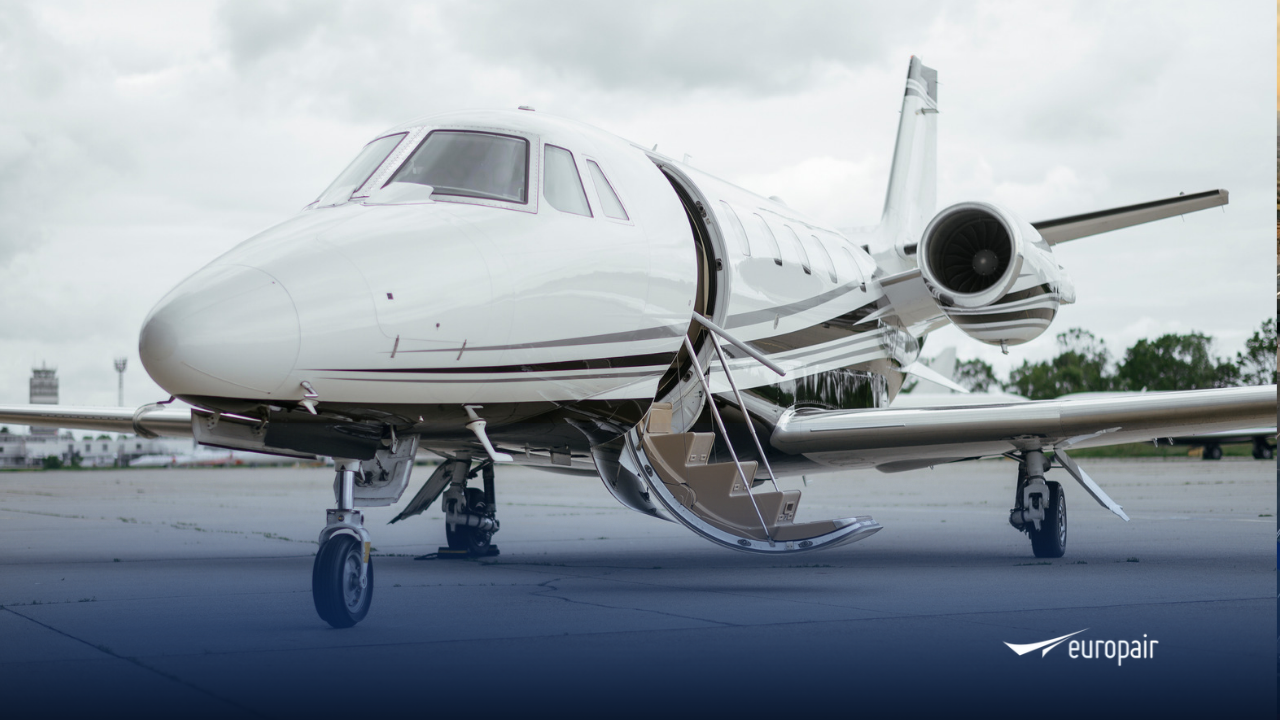
The True Cost Of Owning A Private Jet: Financial Analysis And Operational Alternatives
Having exclusive access to executive aviation transforms corporate and personal mobility: it eliminates crowd friction at commercial terminals, optimizes executive schedules, and allows direct travel to destinations with limited regular connectivity. However, there is a substantial difference between using private aviation via on-demand charter and assuming direct ownership of an aircraft.
Buying a private jet represents a major financial investment that extends far beyond the initial purchase price. This guide details the complete structure of fixed, variable, and maintenance costs involved in aircraft ownership, providing the necessary technical insight to evaluate whether acquisition or chartering is the most efficient solution for each operational profile.
1. Acquisition Price and Refurbishment Costs
The entry cost to acquire a private jet ranges from $2 million to $100 million, depending on size, range, and whether it is a factory-new aircraft (OEM) or purchased on the pre-owned market.
Although the pre-owned market offers lower purchase prices, it frequently requires immediate investment in technical upgrades and interior refurbishments:
-
Communication systems: Installing high-speed Wi-Fi in the cabin can exceed $500,000, plus an additional $100,000 for the radome antenna.
-
Interior renovation: Replacing cabin woodwork ranges between $300,000 and $500,000, while full leather seat reupholstering reaches $200,000, and carpet replacement costs between $40,000 and $90,000.
-
Pre-delivery maintenance: Technical inspections and pre-purchase checks can require budgets between $500,000 and over $1,000,000 in mandatory corrections.
Beyond the financial investment, refurbishing a pre-owned aircraft involves downtime at the workshop lasting several months before the unit becomes operational for flight.
2. Recurring Operational Costs: Fuel and FBO Services
Annual recurring costs to keep a private jet in operational status usually range between $500,000 and over $1,000,000, directly conditioned by flight hours logged.
Fuel represents the largest variable expense. Taking an average price of $5.00 per gallon of jet fuel (Jet A-1) as a reference, the estimated hourly flight cost by category is as follows:
-
Light Jets: Approximately $1,100 per flight hour ($275,000 annually for a 250-hour profile).
-
Midsize Jets: Around $1,500 per flight hour ($375,000 annually for 250 hours).
-
Super Midsize Jets: Near $1,900 per flight hour ($475,000 annually for 250 hours).
-
Large Jets: From $2,700 per flight hour, combined with a higher volume of hours operated on transcontinental routes.
Added to this consumption are ground handling fees (FBO), aircraft cleaning, executive catering, and airport landing and parking fees at each destination.
3. Personnel Expenses: Crew, Training, and Per Diems
Personnel cost structures depend on the aircraft type and selected operational model:
-
Pilots: An aircraft certified for single-pilot operation incurs lower fixed personnel costs, though it is usually restricted to shorter routes. Two-pilot operations (mandatory on larger aircraft due to regulations and safety standards) involve annual salaries ranging from $86,000 to over $300,000 per professional, depending on experience and rank.
-
Cabin crew: Executive flight attendant salaries range between $50,000 and $75,000 per year.
-
Overnight expenses: Owners must cover accommodation, ground transportation, and per diems for the crew while waiting at passenger destinations.
4. Maintenance, Hangarage, and Insurance
Fixed structural costs remain regardless of whether the aircraft flies or stays grounded:
-
Scheduled and unscheduled maintenance: On pre-owned aircraft, routine maintenance can represent up to 2% of the aircraft's original price annually, in addition to mandatory regulatory inspections and consumable replacements (such as tires and brakes).
-
Hangarage: Renting hangar space at an FBO ranges between $1,500 and $3,000 per month. Building a private hangar facility can require from $30,000 to several million dollars.
-
Insurance: Hull and liability insurance policies range from $10,000 to $500,000 per year, depending on liability limits, insured aircraft value, and crew qualifications.
5. Aircraft Downtime and the Charter Alternative
One of the least weighed factors in private jet ownership is technical downtime. Mandatory inspections (C-checks), unscheduled maintenance interventions, and avionics upgrades keep aircraft out of service for weeks or months each year.
During these periods, as well as on missions exceeding the range or passenger capacity of one's own aircraft, relying on private charters is a necessary solution to maintain operational continuity.
For flight profiles under 200-250 annual flight hours, on-demand chartering eliminates all fixed capital, personnel, insurance, and maintenance costs, paying exclusively for the hours actually flown on the aircraft best suited for each specific route.
Conclusion: Efficiency Analysis and Independent Advisory
The decision between acquiring an aircraft or utilizing charter flights depends on annual flight volume, route predictability, and financial capacity to absorb asset depreciation.
Europair acts as an independent broker offering neutral advice to corporations and individuals. We evaluate each client's mobility requirements to determine the most efficient formula in every case, managing everything from one-off charter flights to complementary solutions for aircraft owners during fleet downtime.
Looking to evaluate the most efficient option for your travel needs? Contact our specialist team to receive a personalized analysis with no obligation.

-
Member of:
-